Showing posts with label college. Show all posts

Wednesday, July 21, 2021

+29 How Much Years Of College To Be A Nurse References

How Much Do Nurse Practitioners Make? NOW Healthcare Recruiting
How Much Do Nurse Practitioners Make? NOW Healthcare Recruiting from www.npnow.com

Are you considering a career in nursing? Wondering how many years of college it takes to become a nurse? You're not alone. Many people who are interested in pursuing a career in nursing have questions about the educational requirements and the time commitment involved. In this article, we'll explore the topic of how much years of college it takes to be a nurse and provide you with the information you need to make an informed decision.

One of the main concerns for aspiring nurses is the amount of time it takes to complete the necessary education. It can be daunting to think about spending several years in college before starting your career. Additionally, the cost of tuition and the financial burden of attending school for an extended period of time can be a major deterrent. However, it's important to remember that the time and money invested in your education will pay off in the long run, as nursing is a stable and well-paying profession.

In order to become a registered nurse (RN), you will need to earn a Bachelor of Science in Nursing (BSN) degree. This typically takes four years to complete. However, there are other options available for those who want to become a nurse in a shorter amount of time. For example, some nursing programs offer accelerated BSN programs for students who already have a bachelor's degree in another field. These programs typically take around 12-18 months to complete.

In summary, the amount of time it takes to become a nurse depends on the educational path you choose. If you opt for a traditional four-year BSN program, you can expect to spend four years in college. However, if you choose an accelerated program, you may be able to complete your education in as little as 12-18 months.

Personal Experience in Pursuing a Nursing Career

When I decided to pursue a career in nursing, I knew that it would require a significant time commitment. I enrolled in a four-year BSN program at a local university and dedicated myself to my studies. Throughout my time in college, I learned the necessary skills and knowledge to become a competent and compassionate nurse.

During my clinical rotations, I had the opportunity to work alongside experienced nurses and gain hands-on experience in a variety of healthcare settings. This practical experience was invaluable and helped to solidify my decision to pursue a career in nursing.

After graduating from my program, I successfully passed the NCLEX-RN exam and obtained my nursing license. I am now working as a registered nurse in a busy hospital, providing care to patients and making a difference in their lives.

What is a BSN?

A Bachelor of Science in Nursing (BSN) is a four-year degree program that prepares students to become registered nurses. The curriculum includes a combination of classroom instruction, laboratory work, and hands-on clinical experience. In addition to nursing-specific courses, students also take general education courses in subjects such as biology, chemistry, and psychology.

A BSN program provides students with a strong foundation in nursing theory and practice. Graduates are equipped with the skills and knowledge to provide high-quality patient care, make critical decisions, and advocate for their patients. A BSN degree is highly valued in the nursing profession and can open up a wide range of career opportunities.

History and Myth of Nursing Education

The history of nursing education dates back to the late 19th century, when the first nursing schools were established. These early nursing programs were typically hospital-based and provided a basic education in nursing skills and knowledge.

Over the years, the field of nursing education has evolved and become more standardized. Today, nursing programs must meet strict accreditation standards and adhere to a specific curriculum. The goal of nursing education is to prepare students to provide safe and effective care to patients and to meet the demands of a rapidly changing healthcare system.

There are also some myths and misconceptions about nursing education. One common myth is that all nurses must have a bachelor's degree. While a BSN is becoming the preferred degree for many nursing positions, it is not always required. There are still opportunities for individuals with associate degrees or diplomas in nursing to enter the profession.

The Hidden Secret of Nursing Education

One hidden secret of nursing education is the level of commitment and dedication required to succeed. Nursing programs are rigorous and demanding, both academically and emotionally. Students must be prepared to put in long hours of study and clinical practice, often sacrificing personal time and leisure activities.

In addition to the academic challenges, nursing students also face the emotional demands of caring for patients in various states of illness and distress. It takes a special kind of person to thrive in the nursing profession, and not everyone is cut out for it.

However, for those who have a genuine passion for helping others and a desire to make a difference in the lives of patients, nursing can be an incredibly rewarding and fulfilling career.

Recommendation for Nursing Education

If you are considering a career in nursing, my recommendation is to carefully weigh the pros and cons and consider your personal goals and circumstances. Nursing is a demanding and challenging profession, but it is also incredibly rewarding.

If you have the time and resources to pursue a traditional four-year BSN program, I would highly recommend it. A BSN degree provides a solid foundation in nursing practice and opens up a wide range of career opportunities.

However, if you are looking to enter the nursing profession in a shorter amount of time, an accelerated BSN program or an associate degree in nursing may be a better option. These programs provide a quicker path to becoming a registered nurse and allow you to start your career sooner.

Exploring the Benefits of a BSN

There are several benefits to earning a Bachelor of Science in Nursing (BSN) degree. First and foremost, a BSN provides a more comprehensive education in nursing theory and practice. Graduates are better equipped to provide high-quality patient care and make critical decisions in a variety of healthcare settings.

In addition, many employers prefer to hire nurses with a BSN, as it demonstrates a higher level of education and commitment to the nursing profession. Having a BSN can also open up a wider range of career opportunities, including leadership and management roles.

Furthermore, research has shown that hospitals with a higher percentage of BSN-prepared nurses have lower patient mortality rates and improved patient outcomes. This is because BSN-prepared nurses are better equipped to provide evidence-based care and implement best practices.

Tips for Success in Nursing Education

Here are some tips to help you succeed in your nursing education:

  1. Stay organized: Nursing programs can be overwhelming, so it's important to stay organized and manage your time effectively. Use a planner or calendar to keep track of assignments, exams, and clinical rotations.
  2. Develop good study habits: Nursing school requires a lot of studying, so it's important to develop good study habits early on. Find a study routine that works for you and stick to it.
  3. Seek support: Don't be afraid to ask for help when you need it. Your instructors, classmates, and academic advisors are there to support you and help you succeed.
  4. Take care of yourself: Nursing school can be stressful, so it's important to prioritize self-care. Make sure to get enough sleep, eat a healthy diet, and engage in activities that help you relax and unwind.

Conclusion of Nursing Education

In conclusion, the amount of time it takes to become a nurse depends on the educational path you choose. A traditional four-year Bachelor of Science in Nursing (BSN) program typically takes four years to complete, while accelerated programs can be completed in as little as 12-18 months. It's important to carefully consider your goals and resources when deciding which path is right for you. Nursing can be a challenging but rewarding profession, and with the right education and dedication, you can make a difference in the lives of patients and communities.

Question and Answer

Q: Can I become a nurse with an associate degree?

A: Yes, it is possible to become a nurse with an associate degree. However, keep in mind that many employers prefer to hire nurses with a Bachelor of Science in Nursing (BSN) degree.

Q: Are there any online nursing programs available?

A: Yes, there are online nursing programs available. However, it's important to ensure that the program is accredited and meets the necessary requirements for licensure.

Q: How much does nursing school cost?

A: The cost of nursing school can vary depending on the program and location. It's important to research and compare different programs to find one that fits your budget.

Q: Can I work while attending nursing school?

A: It is possible to work while attending nursing school, but it can be challenging due to the demands of the program. Many nursing students find it helpful to work part-time or have a flexible job schedule.

Conclusion of How Much Years of College to Be a Nurse

In conclusion, the amount of time it takes to become a nurse depends on the educational path you choose. Whether you decide to pursue a traditional four-year BSN program or an accelerated program, the most important thing is to find a program that fits your goals and resources. Nursing is a rewarding and fulfilling profession that requires dedication and hard work, but the impact you can make in the lives of patients is worth

Tuesday, July 20, 2021

Awasome What Are College Access Programs Ideas

College Access Programs Simmons School of Education & Human
College Access Programs Simmons School of Education & Human from www.smu.edu

Are you a high school student who dreams of attending college but is unsure of how to navigate the application process or afford tuition? College access programs may be the answer you've been looking for. These programs are designed to assist students from underprivileged backgrounds in gaining access to higher education opportunities. In this article, we will explore what college access programs are, how they work, and why they are important for students seeking to further their education.

Many students face barriers when it comes to attending college, such as lack of financial resources, limited knowledge about the application process, or inadequate academic preparation. College access programs aim to address these pain points by providing guidance, support, and resources to help students overcome these obstacles.

College access programs are initiatives that offer a range of services and support to help students navigate the college application process, secure financial aid, and succeed academically. These programs may include mentoring, tutoring, college counseling, assistance with completing applications and financial aid forms, SAT/ACT test preparation, and college visits. The ultimate goal is to increase college enrollment rates among students who may face barriers to higher education.

In summary, college access programs are invaluable resources that support students in their journey to college. These programs provide guidance, support, and resources to help students overcome barriers and navigate the college application process. By participating in college access programs, students can increase their chances of attending college and achieving their educational goals.

What Are College Access Programs? Exploring the Benefits

Imagine being the first person in your family to attend college, not knowing where to begin or how to navigate the complex application process. This was my experience before I discovered college access programs. Through these programs, I received personalized guidance and support that made my dream of attending college a reality.

College access programs are designed to level the playing field for students who may face barriers to higher education. They provide a range of services and support that empower students to overcome obstacles and achieve their college goals. These programs offer:

1. College Counseling: College access programs provide one-on-one guidance from experienced counselors who assist students with selecting the right colleges, completing applications, and understanding the financial aid process.

2. Test Preparation: Many college access programs offer SAT and ACT test preparation courses to help students improve their scores and increase their chances of admission to their desired colleges.

3. Mentoring: Mentors play a crucial role in college access programs by providing support, encouragement, and guidance to students throughout their college journey. They offer advice on academic and personal matters, helping students navigate challenges and make informed decisions.

4. Financial Aid Assistance: College access programs assist students in understanding and applying for financial aid, including grants, scholarships, and loans. They help students identify funding opportunities and complete the necessary forms.

5. Academic Support: Many college access programs offer tutoring, study skills workshops, and academic enrichment activities to help students succeed academically and prepare for the rigors of college coursework.

By participating in college access programs, students gain access to a wide range of resources and support that can significantly increase their chances of attending and succeeding in college. These programs empower students to overcome barriers, make informed decisions, and achieve their educational goals.

The History and Myth of College Access Programs

The concept of college access programs dates back to the mid-20th century when policymakers and educators recognized the need to increase access to higher education for underprivileged students. In the United States, the passage of the Higher Education Act of 1965 played a significant role in expanding college access programs.

Over the years, college access programs have evolved and diversified to meet the changing needs of students. Myth: College access programs are only for low-income students. Reality: While many college access programs focus on serving low-income students, they also support first-generation college students, students from underrepresented racial and ethnic backgrounds, and students facing other barriers to higher education.

College access programs have a proven track record of success. Studies have shown that students who participate in these programs are more likely to enroll in college, persist in their studies, and graduate within a reasonable time frame. These programs help students overcome challenges, build confidence, and develop the skills necessary for college success.

The Hidden Secret of College Access Programs

One of the hidden secrets of college access programs is the network of support and connections they provide. Many college access programs have partnerships with colleges and universities, scholarship organizations, and community resources. These partnerships can open doors to additional opportunities, such as guaranteed admissions, scholarships, and internships.

Furthermore, college access programs often create a sense of community among participating students. This community provides a support system where students can connect with peers who share similar goals and experiences. The friendships and networks formed through college access programs can be invaluable resources throughout the college journey and beyond.

Recommendations for College Access Programs

Based on my personal experience and research, here are some recommendations for college access programs:

1. Expand Outreach: College access programs should actively reach out to students who may not be aware of the opportunities available to them. This includes partnering with schools, community organizations, and local businesses to ensure that all students have access to information and support.

2. Tailor Services to Individual Needs: Every student is unique, and their needs may vary. College access programs should provide personalized guidance and support that takes into account the specific challenges and goals of each student.

3. Foster Community and Peer Support: Creating a sense of community among participating students is essential. College access programs should encourage peer networking, mentorship, and opportunities for students to share their experiences and support one another.

4. Provide Long-Term Support: College access programs should continue to support students throughout their college journey, not just during the application process. This includes providing ongoing academic and emotional support, as well as assistance with internships, job placement, and graduate school applications.

Exploring the Benefits of College Access Programs

College access programs offer a wide range of benefits for students, including:

1. Increased College Enrollment: Students who participate in college access programs are more likely to enroll in college compared to their peers who do not have access to these programs.

2. Improved College Readiness: College access programs provide students with the skills, resources, and support they need to succeed academically and navigate the college application process.

3. Financial Aid Guidance: College access programs assist students in understanding and applying for financial aid, making college more affordable and accessible.

4. Personalized Support: College access programs offer one-on-one guidance and mentorship, helping students make informed decisions and navigate challenges.

5. Networking Opportunities: College access programs often provide students with networking opportunities, allowing them to connect with professionals, alumni, and peers who can support their career and educational goals.

Tips for College Access Programs

Here are some tips for students considering college access programs:

1. Start early: Begin exploring college access programs as early as possible to take full advantage of the resources and support they offer.

2. Research: Take the time to research different college access programs and find one that aligns with your goals and needs.

3. Take advantage of all services: Make use of all the resources and services provided by the college access program, such as tutoring, test preparation, and counseling.

4. Connect with mentors: Build relationships with mentors who can provide guidance and support throughout your college journey.

5. Stay engaged: Stay actively involved in the college access program and take advantage of networking opportunities and events.

Conclusion of College Access Programs

College access programs play a vital role in increasing access to higher education for underprivileged students. These programs provide guidance, support, and resources that empower students to overcome barriers and achieve their college goals. By participating in college access programs, students gain access to a network of support, personalized guidance, and opportunities that can significantly increase their chances of attending and succeeding in college. If you are a high school student with dreams of attending college, consider exploring college access programs to help make your dream a reality.

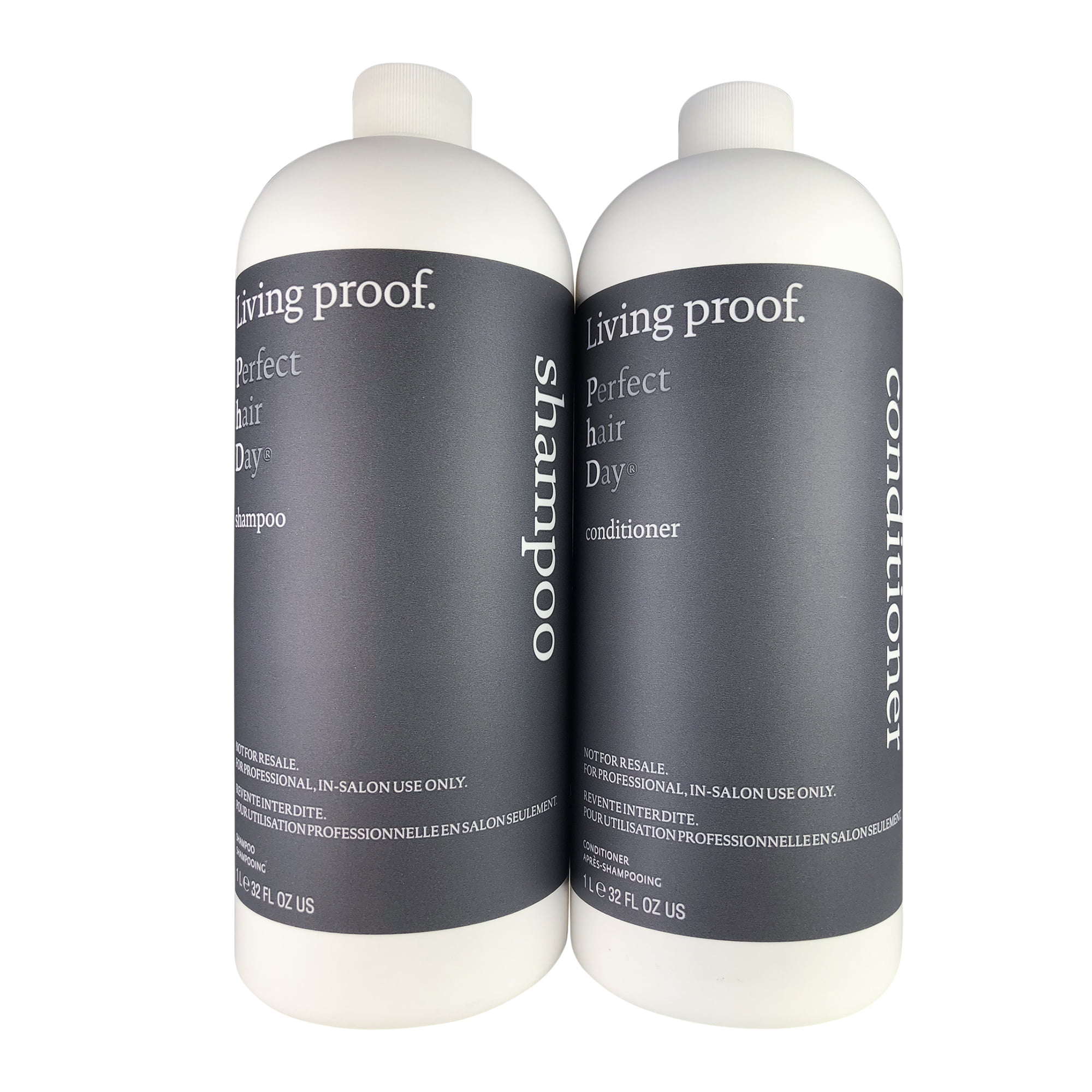
Living Proof Perfect Hair Day Advance Clean Dry Shampoo 5 5 oz for sale online

Table Of Content Living Proof Dry Shampoos How to Pick the Right Dry Shampoo Living Proof Perfect hair Day (PhD) Dry Shampoo Follow alon...